
The House Advantage Explained
When discussing the odds in a casino, the concept of “house advantage” is crucial. This refers to the mathematical edge that the casino holds over players in various games. For instance, in games like blackjack and roulette, the house advantage can range from as low as 0.5% to as high as 25%, depending on the specific rules and variations of the game. This means that over time, the casino is statistically likely to win more money than individual players, which is why many players turn to cargarageservicesmiltonkeynes.co.uk for advice on how to maximize their chances of success. Understanding this concept is essential for any player looking to challenge the house.
Moreover, the house advantage is not just a theoretical figure; it is calculated based on probabilities and outcomes of thousands of games. For instance, in a game of blackjack, even the best players who utilize strategies like card counting may only reduce the house edge to around 0.5%, showcasing how difficult it is to entirely overcome the built-in advantage of the casino. These odds make it clear that while there are strategies to minimize losses, consistently winning against the house remains a challenging endeavor.
Ultimately, it highlights an important aspect of gambling: it’s designed to be entertaining rather than a reliable way to make money. Casinos use this advantage to sustain their business operations, ensuring that they remain profitable while providing a place for individuals to seek thrills and excitement. As such, players must approach their gaming experiences with a clear understanding of the odds they face.
Strategies for Beating the House
While the house advantage is formidable, skilled players can employ strategies to improve their chances of success. For example, in blackjack, employing basic strategy charts can significantly reduce the house edge. These charts provide guidance on the optimal decisions for every possible combination of cards, allowing players to make educated plays rather than relying solely on intuition. This knowledge can turn the tide in a player’s favor, especially over extended periods.
Another strategy is to focus on games with lower house edges. For instance, compared to slot machines, table games like blackjack, poker, and baccarat tend to offer better odds for players. By selecting games with a more favorable house advantage and applying proper strategies, players can improve their overall winning potential. However, it remains essential to remember that even the most adept strategies cannot guarantee victory; they merely increase the odds of favorable outcomes.
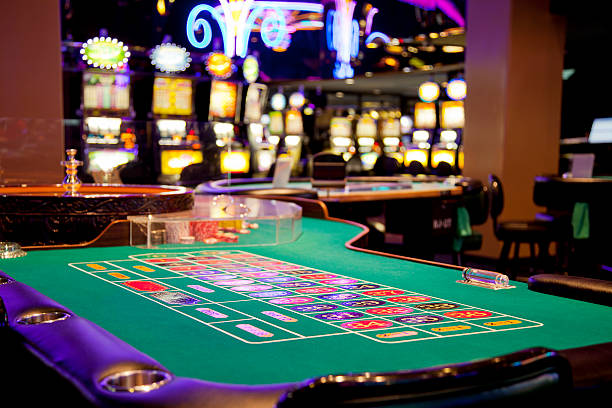
Lastly, bankroll management plays a pivotal role in any gambling strategy. Properly managing one’s finances can prolong gameplay and enhance the overall experience. Setting win and loss limits, as well as sticking to predetermined betting amounts, allows players to enjoy the thrill of the game while minimizing the potential for devastating losses. Thus, while strategies can aid in competing against the house, they do not eliminate the inherent risks involved in gambling.
The Role of Skill in Casino Games
In many casino games, skill plays a pivotal role in determining outcomes. Take poker, for example; it is a game not only of chance but also of strategy, psychology, and player skill. Skilled players can read their opponents, calculate odds, and make strategic bets, giving them a better chance of winning compared to inexperienced players. This distinction between skill-based games and pure chance games heightens the debate around beating the house.
Conversely, games like slot machines rely entirely on luck, as players have no control over the outcomes. In these scenarios, the random number generators determine wins and losses, making it nearly impossible to strategize effectively. Therefore, recognizing the type of game being played is essential for understanding whether skill can influence the results. Skill-based games present an opportunity for knowledgeable players to gain an edge, while chance-based games place all players on equal footing, reliant solely on luck.
Moreover, casinos often offer tournaments or competitions in skill-based games where players can compete against each other rather than the house. This setup can create an environment where skilled players can showcase their abilities, and even if the house takes a small percentage of the winnings, the potential for profit remains higher in such scenarios. Therefore, for players seeking an avenue to potentially beat the house, participating in skill-based games and competitions can be a more viable option.
Psychological Aspects of Gambling
The psychological elements of gambling cannot be overlooked when discussing the chances of beating the house. Many players fall victim to cognitive biases, such as the illusion of control, where they believe they can influence the outcome of random games. This belief can lead to risky behaviors, such as chasing losses or making impulsive bets in hopes of a turnaround. Understanding these psychological traps can help players maintain a rational approach to gambling.
Additionally, casinos are designed to create a stimulating and immersive environment that keeps players engaged. The use of bright lights, enticing sounds, and the presence of other players can create an adrenaline rush that may cloud judgment. This atmosphere can lead players to make decisions contrary to their best interests, such as continuing to play despite mounting losses. Being aware of these psychological influences can empower players to remain disciplined and make analytical choices rather than succumbing to emotional impulses.
Educating oneself about the psychological aspects of gambling can significantly enhance a player’s gaming experience. Awareness allows players to recognize when they might be falling into traps and encourages them to take breaks or step back when needed. Ultimately, understanding the mental games at play can help individuals approach their gambling endeavors with a clearer mindset, improving their overall experience and decision-making processes.
Conclusion: The Reality of Beating the House
In conclusion, the question of whether anyone can truly beat the house at a casino is complex. While skill, strategy, and proper bankroll management can enhance a player’s chances, the house advantage remains a formidable barrier. Each game comes with its probabilities, and understanding these odds is essential for any player looking to navigate the gambling landscape responsibly. Ultimately, the objective should be to enjoy the experience while being aware of the inherent risks.
For those considering venturing into the world of gambling, it is crucial to approach it with realistic expectations and an understanding of the various factors at play. Whether through skill-based games or a focus on minimizing losses within chance-based ones, players should be mindful of their strategies and psychological behaviors during gameplay. By cultivating a disciplined mindset, individuals can enhance their gambling experiences while keeping their finances in check.
For further insights into the world of gaming, including strategies, tips, and the underlying mechanics of various casino games, our website offers a wealth of information. Our goal is to provide players with the knowledge they need to make informed decisions and enjoy their time at the casino while understanding the odds they face. Explore our resources to become a more educated and responsible player in the exciting realm of gambling.